
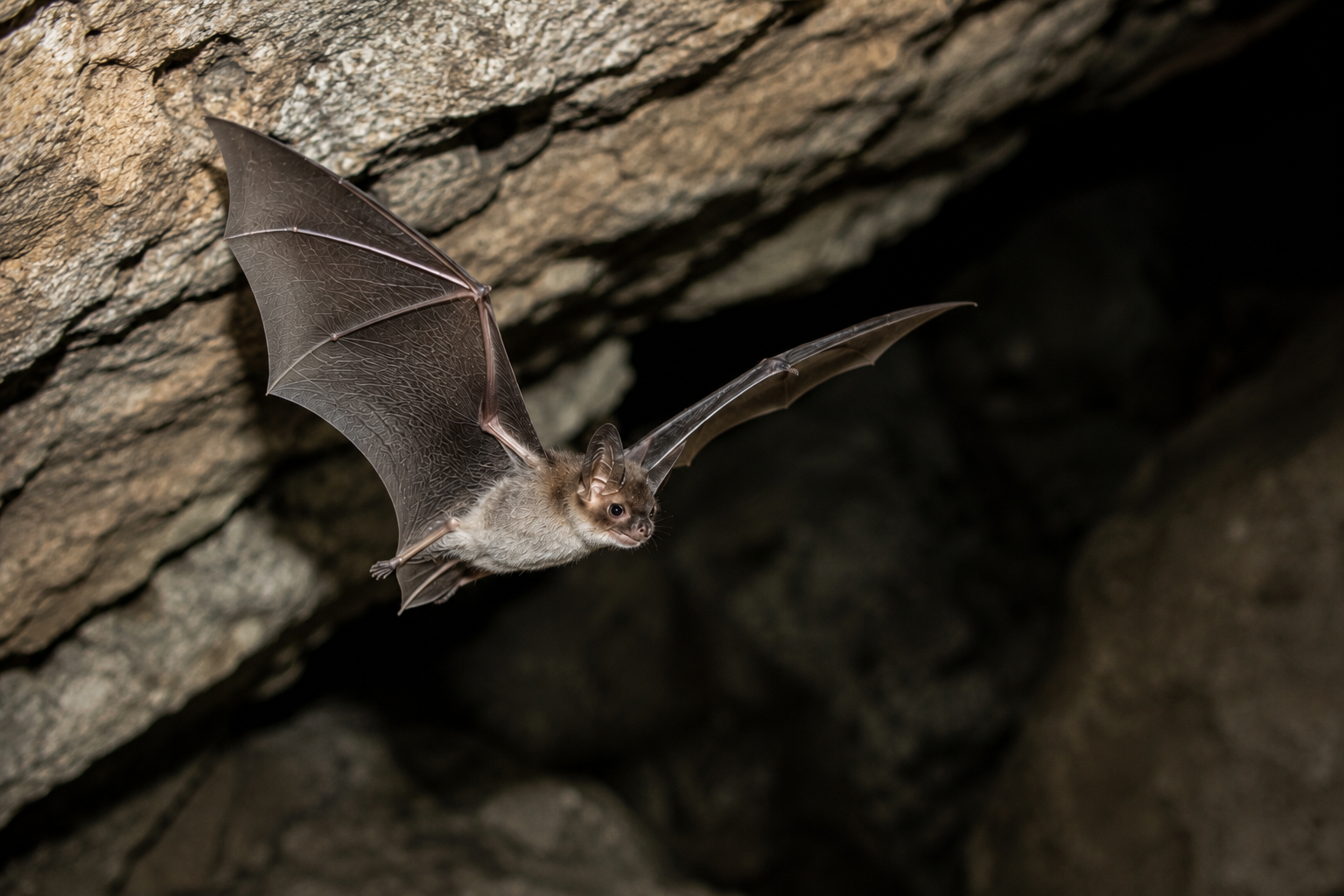
The Florida bonneted bat is one of the rarest mammals in North America and has been listed as federally endangered since 2013. It’s also one of the harder protected-species surveys to find a qualified provider for. Not because the regulations are unusually strict, but because the review itself is more involved than a simple site walk, and the acoustic survey work requires specialized equipment and training that many general environmental consulting firms don’t maintain in-house.
If your project is in South or Southwest Florida and involves land clearing, tree removal, demolition, work near potential roosting habitat, or impacts to natural areas, a Florida bonneted bat review may need to be considered early, and the trigger is broader than most people assume.
At IVA Environmental, we provide Florida bonneted bat habitat assessments, acoustic survey coordination, and USFWS coordination to help developers identify potential permitting requirements early and avoid unnecessary project delays.
Why Florida Bonneted Bat Surveys Matter
The Florida bonneted bat is protected under the Endangered Species Act, making early environmental review an important part of project planning in many areas of South and Southwest Florida.
Projects involving land clearing, tree removal, demolition, or impacts to natural habitats may require evaluation before construction begins. While not every project requires a full acoustic survey, environmental review should begin early to determine whether suitable habitat or project impacts trigger additional assessment.
Where Are Florida Bonneted Bat Surveys and Reviews Needed?
The U.S. Fish and Wildlife Service maintains Florida bonneted bat consultation guidance for projects within the species’ range in South and Southwest Florida. Projects in counties such as Sarasota, Charlotte, Lee, Collier, and surrounding areas may need additional review when they affect potential roosting habitat, foraging habitat, or areas where the species has been documented.
In March 2024, USFWS also designated critical habitat for the Florida bonneted bat, covering roughly 1.16 million acres across 13 Florida counties: Charlotte, Collier, DeSoto, Glades, Hardee, Hendry, Highlands, Lee, Miami-Dade, Monroe, Okeechobee, Osceola, and Polk. That’s a narrower, legally defined list than the broader consultation area above (Sarasota, for example, falls within the consultation area but is not one of the designated critical habitat counties). Critical habitat doesn’t automatically prohibit development, but where a site falls within it, it can affect federal review, agency coordination, and the documentation needed to support project approvals, so it’s worth checking a project’s status against both the consultation area and the critical habitat boundaries.
This doesn’t mean every project in these counties needs a full acoustic bat survey. It means the site should be screened early for habitat features, project location, and potential effects before clearing, demolition, or permit submittal.
When Does a Project Trigger USFWS Review?
A Florida bonneted bat review may be necessary when projects involve:
- Land clearing
- Tree removal
- Demolition of older structures
- Development near potential roosting habitat
- Impacts on natural areas or suitable foraging habitats
The need for additional review depends on habitat conditions, project location, and the potential for impacts, making an early habitat assessment an important first step.
What Habitat Features Require a Florida Bonneted Bat Survey?
A Florida bonneted bat review usually starts with a habitat assessment. The assessment looks for site conditions that may support roosting or foraging, including:
- Large mature trees, especially palms, pines, cypress, and trees with cavities, hollows, loose bark, or structural damage
- Dead trees or snags that may provide cavities or crevices
- Older buildings, barns, bridges, culverts, or structures with gaps, eaves, roof voids, or other protected spaces
- Natural areas, open water, wetlands, forest edges, or other areas that may provide foraging habitat
- Known occurrence records, critical habitat, or nearby suitable habitat that may increase review risk
If no suitable habitat is identified, additional survey work may not be necessary. However, this determination should be based on a documented habitat assessment rather than a visual inspection alone.
What Does a Florida Bonneted Bat Assessment Involve?
A Florida bonneted bat assessment is a step-by-step environmental review used to determine whether a project may affect the species or its habitat.
1 Desktop and Habitat Review
The consultant reviews the project location, USFWS consultation guidance, known occurrence information, habitat type, proposed impacts, and whether potential roosting or foraging habitat is present.
2 Field Habitat Assessment
Qualified biologists conduct on-site evaluations to identify trees, structures, cavities, and other habitat features that may support Florida bonneted bats.
3 Acoustic Surveys, If Warranted
If suitable habitat is identified, specialized acoustic detectors may be deployed to record bat calls. The recorded data is analyzed using professional software and expert interpretation to evaluate whether recorded calls indicate potential activity of the Florida bonneted bat.
4 USFWS Coordination & Reporting
Where potential impacts are identified, survey findings help support coordination with the U.S. Fish and Wildlife Service to determine appropriate avoidance measures, additional surveys, or permitting requirements.
Why This Is a Harder Service to Find
Florida bonneted bat work requires more than a general protected-species site walk.
Acoustic surveys require specialized recording equipment, proper deployment methods, call-analysis software, and experience interpreting bat call data. The consultant also needs to understand how the survey results align with USFWS consultation guidance and the project permitting strategy.
Because few firms maintain these capabilities in-house, developers often need multiple consultants. Completing habitat assessments early helps reduce delays and streamlines the permitting process.
How IVA Environmental Can Help
IVA Environmental provides comprehensive support for projects that may require Florida bonneted bat surveys or USFWS coordination.
Our services include:
- Florida bonneted bat habitat assessments
- Acoustic survey coordination
- USFWS consultation and reporting
- Protected Species Assessments
- Development Suitability Assessments
- Environmental permitting support
- Construction monitoring and compliance guidance
By evaluating Florida bonneted bat considerations alongside wetlands, gopher tortoises, burrowing owls, and other environmental constraints, our experienced environmental consultants help developers identify potential issues early, streamline permitting, and keep projects moving forward with confidence.
Conclusion
Protecting the Florida bonneted bat begins with understanding whether your project has the potential to affect suitable habitat. Early habitat assessments and site screening help identify when additional review or USFWS coordination may be necessary. Evaluating these considerations before land clearing or permit submittal can reduce project delays, support regulatory compliance, and provide greater certainty throughout the development process.
If your project is located within South or Southwest Florida, IVA Environmental provides Florida bonneted bat habitat assessments, acoustic survey coordination, and environmental permitting support to help projects move forward with confidence.
Frequently Asked Questions
-
Do all projects require a Florida bonneted bat survey?
No. The need for a survey depends on project location, habitat conditions, and the potential for impacts to the species or its habitat.
-
What counties are within the Florida bonneted bat consultation area?
Projects in Sarasota, Charlotte, Lee, Collier, and other counties within the species’ range may require additional environmental review.
-
What is the difference between a habitat assessment and an acoustic survey?
A habitat assessment evaluates whether suitable habitat exists on a property. An acoustic survey uses specialized equipment to evaluate whether recorded bat calls indicate potential Florida bonneted bat activity when additional investigation is warranted.
-
Who coordinates with the USFWS?
Experienced environmental consultants prepare documentation, conduct assessments, and coordinate with the U.S. Fish and Wildlife Service when project review is required.
-
When should I schedule a Florida bonneted bat assessment?
Environmental assessments should be completed during the early planning stages before land clearing, demolition, permit submittal, or construction begins to help avoid delays and support efficient project planning.
