

Environmental Site Assessment
What is it?
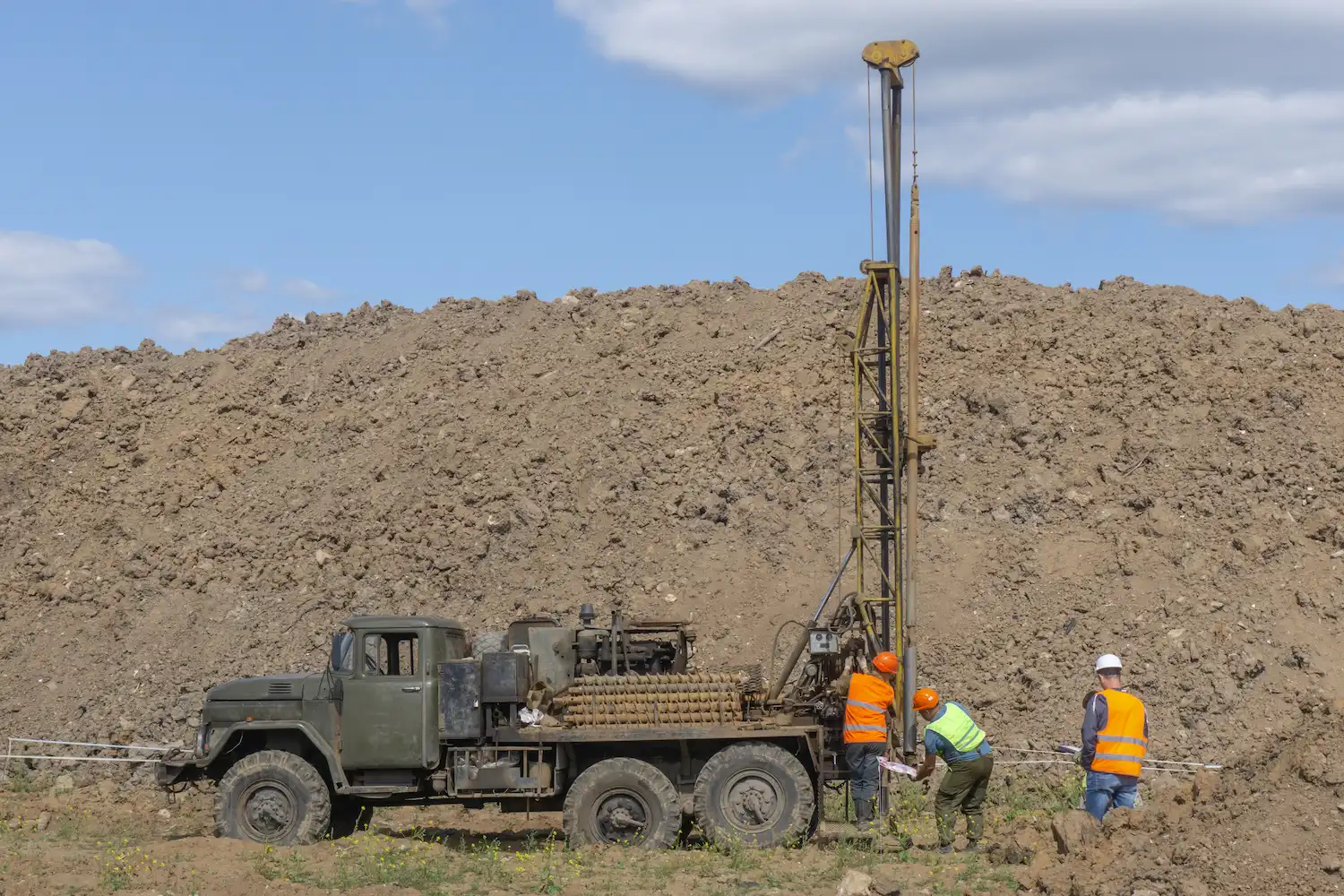
A Phase II Environmental Site Assessment (ESA) is the analytical successor to the Phase I ESA. It is triggered when potential contamination, known as recognized environmental conditions (RECs), is identified. It involves the physical collection and laboratory analysis of subsurface media—soil, groundwater, surface water, sediment, and soil gas / vapor—to delineate the contamination or rule out the presence of hazardous substances and/or petroleum products.
ASTM provides guidance for Phase II work under ASTM E1903-19: Standard Guide for Environmental Site Assessments: Phase II Environmental Site Assessment Process. Unlike Phase I, ASTM does not prescribe a single required method for Phase II. Instead, E1903 is a flexible, risk-based framework that allows the investigation to be tailored to the specific site and the Recognized Environmental Conditions (RECs) identified in Phase I ESA. Per ASTM, the purpose of a Phase II ESA is to confirm the presence or absence of hazardous substances and/or petroleum products related to identified RECs and, where present, evaluate their nature and extent to support decision-making. There is no law that automatically requires a Phase II ESA or assigns responsibility to a specific party. Phase II ESA is voluntary and driven by risk management, not statute.
Under ASTM guidance, Phase II can be Limited / targeted (confirmation sampling only), Intermediate (partial delineation), or Comprehensive (full characterization). All of these can be ASTM-compliant if they are technically defensible and RECs-based.
This quantitative investigation is designed to evaluate whether contaminant concentrations exceed state-specific regulatory thresholds, such as the Florida Department of Environmental Protection (FDEP) Soil Cleanup Target Levels (SCTLs) and Groundwater Target Levels (GCTLs) found in Chapter 62-777, F.A.C. This service ensures regulatory clarity and provides project teams with the environmental foresight needed for planning and compliance.
Who needs this service?
- Developers with Identified RECs Sites: Those who have received a Phase I ESA identifying RECs (e.g., former gas stations, agricultural lands with pesticide use, industrial sites).
- Property Buyers Seeking Liability Clarity: Buyers who need to define the “cost to cure” for environmental liabilities before closing a deal.
- Municipalities and Redevelopment Agencies: Entities pursuing brownfield redevelopment or repurposing industrial land for public use.
- Lenders: Banks requiring confirmation that a borrower’s collateral is not impaired by significant contamination liabilities.
What does it include?
- Sampling and Analysis Plan (SAP): Development of a strategic plan outlining sampling locations, depths, and analytes based on the RECs identified in the Phase I ESA.
- Field Sampling: Installation of soil borings and/or temporary or permanent groundwater monitoring wells.
- Laboratory Analysis: Testing samples by a laboratory certified by the Florida Department of Health under the Environmental Laboratory Certification Program (ELCP) for contaminants of concern, such as Volatile Organic Compounds (VOCs), Semi-Volatile Organic Compounds (SVOCs), heavy metals (Arsenic, Lead), pesticides, and emerging contaminants like PFAS, if required. Certification generally requires compliance with National Environmental Laboratory Accreditation Program (NELAP) standards.
- Geophysical Surveys: Use of Ground Penetrating Radar (GPR) to locate underground storage tanks (USTs) or buried drums prior to drilling.
- Exposure Pathway Evaluation: Assessment of potential risks to human health via direct exposure, leaching to groundwater, or vapor intrusion into future buildings.
Why is it important?
The Phase II ESA provides the hard data needed to evaluate financial risk, negotiate purchase price reductions, and guide cleanup decisions. Without this data, a buyer is “flying blind” regarding remediation costs, which can range from minor soil removal to complex, multi-year groundwater treatment systems. It provides the definitive evidence required to obtain “No Further Action” status or to enroll in state cleanup programs (e.g., FDEP Petroleum Restoration Program or Brownfields Program).
Under CERCLA (the federal Superfund law), responsibility for cleanup generally falls on Potentially Responsible Parties (PRPs), which can include:
- Current property owner or operator.
- Past owners or operators at the time contamination occurred.
- Parties that arranged for disposal of hazardous substances
- Transporters who selected the disposal site.
In other words, a party can be held responsible even if they did not cause the contamination.
Deliverables
- Phase II ESA Report: A detailed technical report documenting methodology, field observations, and analytical results.
- Analytical Data Tables: Comparison of results against FDEP SCTLs (Residential/Commercial) and GCTLs.
- Site Maps: Figures showing boring locations, groundwater flow direction, and contaminant plume delineations.
- Cleanup Recommendations: Expert guidance on remediation strategies (e.g., source removal, engineering controls) or regulatory closure pathways.
Let’s Get Started
Don’t invest in land without knowing the facts. Contact us today to schedule your Phase II Environmental Site Assessment and ensure your investment aligns with your goals.
