

Bonneted Bats Surveys and USFWS Coordination
What is it?
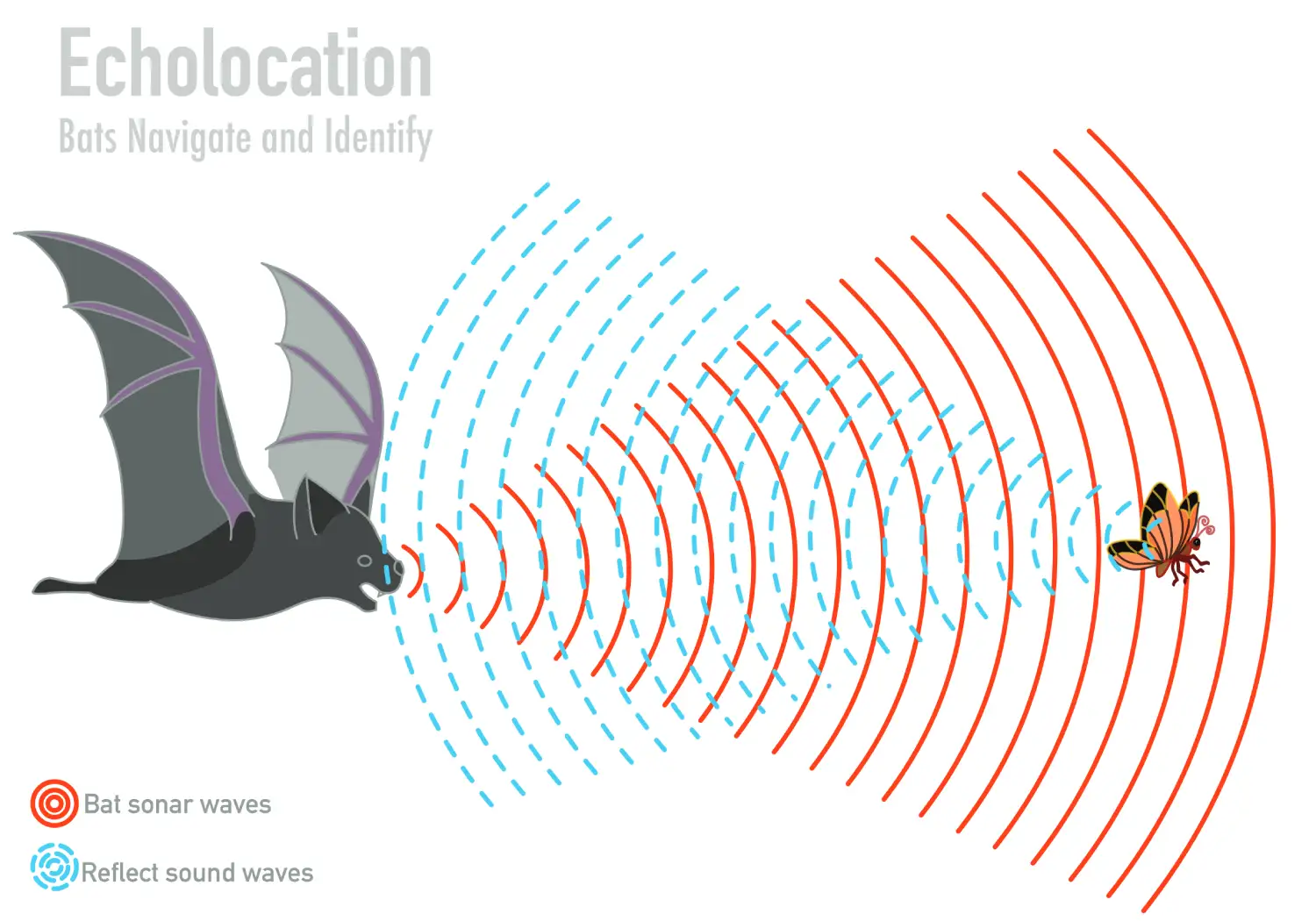
The Florida Bonneted Bat (Eumops floridanus) is listed as a federal and state endangered species. The U.S. Fish and Wildlife Service has designated approximately 1.2 million acres of critical habitat for the endangered Florida bonneted bat across 13 counties in Central and South Florida. These protected areas span Charlotte, Collier, DeSoto, Glades, Hardee, Hendry, Highlands, Lee, Miami-Dade, Monroe, Okeechobee, Osceola, and Polk counties. Surveying for this high-flying bat requires specialized specialized acoustic monitoring to detect their unique, low-frequency calls and visual inspections of potential roosts, such as trees and artificial structures. This service ensures regulatory clarity and gives project teams the environmental foresight needed for planning and compliance.
Who needs this service?
- Private Developers & Landowners: Those planning to remove trees, demolish buildings, or develop land within the FBB’s range.
- Government Agencies: Entities like the U.S. Fish and Wildlife Service (USFWS), municipalities, Department of Transportation, and military installations conducting environmental assessments for conservation or construction purposes.
- Infrastructure Project Managers: Individuals working on projects that might disturb potential roosts (bat houses, buildings, trees).
- Wind Energy or Tower Projects that may impact flight paths. not apply to bonneted bats.
What does it include?
- Roost Surveys: Visual inspection of trees with cavities and buildings.
- Acoustic Monitoring: Deploying full-spectrum detectors for multiple nights to record echolocation calls.
- Call Analysis: Using software (e.g., Kaleidoscope Pro) and manual vetting to identify species.
- Consultation Key Application: Applying the 2024 USFWS Consultation Key to determine effect determination (e.g., “May Affect, Not Likely to Adversely Affect”).
Why is it important?
As a listed endangered species, impacts to roosting or foraging habitat require federal review. The specific acoustic protocols must be followed strictly to be accepted by USFWS. Ignoring this requirement can lead to costly delays, enforcement actions, or permanent impacts on project viability.
Deliverables
- Acoustic Survey Report: Heat maps of bat activity.
- Metadata Files: In the specific format required for USFWS submission.
- Consultation Support: Drafting Biological Assessments and coordination with USFWS
Let’s Get Started
Don’t invest in land without knowing the facts. Contact us today to schedule your Bonneted Bats Surveys and USFWS Coordination and ensure your investment aligns with your goals.
