
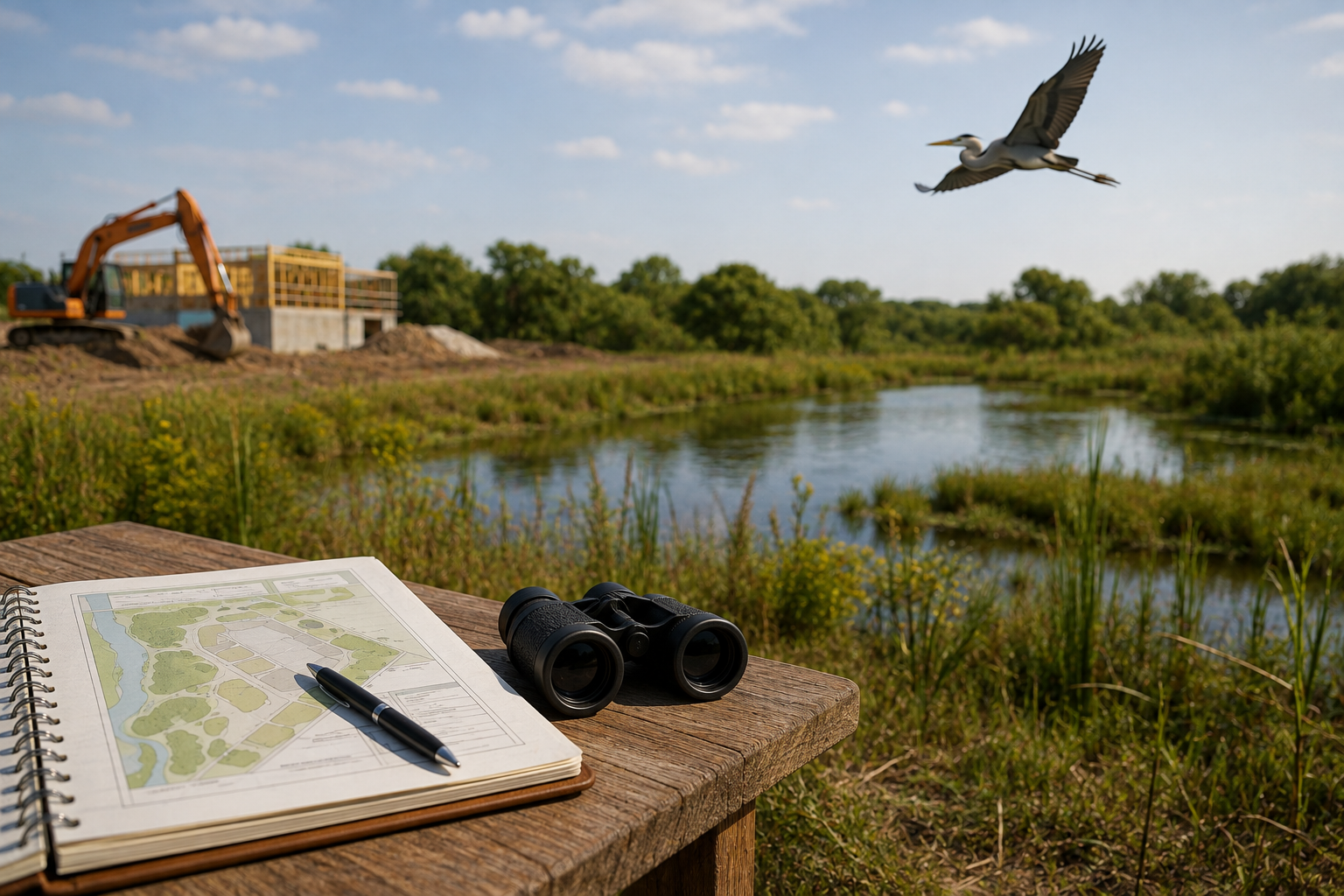
When development projects impact environmentally sensitive land or protected wildlife habitats, environmental compliance becomes an important part of the planning process. A habitat conservation plan (HCP) helps developers, landowners, and agencies move projects forward while minimizing impacts on protected species and ecosystems.
In Florida and across the United States, habitat conservation planning plays a key role in balancing responsible development with environmental protection.
What Is a Habitat Conservation Plan?
A Habitat Conservation Plan (HCP) is a planning document designed to reduce and mitigate impacts on federally protected species during lawful land development or construction activities.
The habitat conservation plan definition is closely connected to the U.S. Endangered Species Act (ESA). Under Section 10 of the ESA, projects that may unintentionally affect protected species often require an Incidental Take Permit (ITP), which typically involves preparing an HCP.
In simple terms, an HCP explains:
- Which protected species may be affected
- How the project could impact those species
- What steps will be taken to avoid or minimize impacts
- How habitat loss or disturbance will be mitigated
- How long-term monitoring and compliance will be managed
A well-prepared HCP helps projects remain compliant while supporting long-term habitat conservation.
Why Habitat Conservation Plans Were Created
Habitat Conservation Plans were introduced through an amendment to the Endangered Species Act (ESA) in 1982 to help balance land development with wildlife protection.
HCPs support:
- Responsible land development
- Economic growth
- Protection of endangered species and habitats
What Is an Incidental Take Permit (ITP)?
An Incidental Take Permit (ITP) allows projects to move forward even if lawful activities may unintentionally impact protected species, provided approved conservation measures are followed.
Together, Habitat Conservation Plans and Incidental Take Permits help support both environmental protection and responsible development
Why Are Habitat Conservation Plans Important?
Habitat conservation plans help identify environmental concerns early in the development process, reducing risks and improving regulatory compliance.
Without proper environmental planning, projects may face:
- Permit delays or denials
- Construction delays
- Regulatory fines
- Legal disputes
- Increased mitigation costs
For developers and landowners, HCPs provide a structured approach to protecting sensitive habitats while helping projects move forward efficiently.
What Species and Habitats Can Trigger an HCP?
Habitat conservation plans may be required when development projects could affect protected species or environmentally sensitive habitats.
Examples may include:
- Gopher tortoises
- Florida scrub-jays
- Burrowing owls
- Eastern indigo snakes
- Wetlands and coastal habitats
- Other federally or state-protected species
In Florida, environmental consultants often conduct wildlife surveys and habitat assessments to determine whether a habitat conservation plan is needed.
What Is Included in a Habitat Conservation Plan?
Although every project is different, most habitat conservation plans include several key components that help reduce impacts on protected species and habitats.
1. Project Description
This section outlines the proposed project, including:
- Land use activities
- Construction plans
- Site location
- Development timeline
- Areas potentially affected
2. Species and Habitat Assessment
Environmental professionals evaluate the site to identify:
- Protected species presence
- Habitat quality
- Nesting or burrow locations
- Migration or breeding patterns
- Sensitive ecological resources
Field surveys and habitat mapping are often conducted during this phase.
Habitat suitability evaluations
Environmental consultants evaluate habitat quality and habitat suitability for protected species.
3. Impact Analysis
The HCP evaluates how the project may affect wildlife and habitats through:
- Habitat disturbance
- Vegetation removal
- Construction activities
- Noise, lighting, or long-term operational impacts
4. Avoidance and Minimization Measures
This section explains steps taken to reduce environmental impacts, such as:
- Adjusting site layouts
- Creating conservation buffers
- Seasonal construction restrictions
- Wildlife protection and monitoring measures
5. Mitigation Strategies
When impacts cannot be fully avoided, mitigation measures may include:
- Habitat restoration
- Land preservation
- Wetland enhancement
- Long-term habitat management
6. Monitoring and Reporting
Most habitat conservation plans include ongoing monitoring and reporting to help ensure continued compliance and environmental protection after project approval.
How the Habitat Conservation Plan Process Works
Developing and approving a habitat conservation plan typically involves several important steps.
- Initial Site Assessment
Environmental consultants conduct site investigations, wildlife surveys, and habitat assessments to identify protected species and potential environmental concerns.
-
Agency Coordination
Project teams may coordinate with agencies such as:
- U.S. Fish and Wildlife Service (USFWS)
- Florida Fish and Wildlife Conservation Commission (FWC)
- Local environmental agencies
-
HCP Preparation
The Habitat Conservation Plan is developed based on survey findings, project impacts, and proposed conservation and mitigation measures.
4. Permit Review and Approval
Regulatory agencies review the HCP and related permit applications and may request revisions or additional documentation before approval.
5. Compliance Monitoring
Once approved, project stakeholders must implement conservation measures and maintain ongoing monitoring and compliance throughout the project.
Working with experienced environmental consultants can help streamline the HCP process and reduce project delays
Who May Need a Habitat Conservation Plan?
A habitat conservation plan may be required for projects that could impact protected species or sensitive habitats.
Organizations and entities that may need or apply for an HCP include:
- Private companies
- Property owners and developers
- Local governments
- State agencies
- Utility and infrastructure providers
Benefits of Habitat Conservation Plans
Habitat conservation plans help balance responsible land development with long-term environmental protection.
For Developers and Landowners
- Supports compliance with the Endangered Species Act (ESA)
- Reduces regulatory risks and project delays
- Helps streamline permitting and agency coordination
For Wildlife and Ecosystems
- Protects sensitive habitats and species
- Supports long-term conservation and monitoring
- Encourages responsible environmental management
Working with experienced environmental consultants can also help identify environmental risks early and improve regulatory compliance.
Habitat Conservation Planning in Florida
Florida contains a wide range of sensitive ecosystems, including wetlands, coastal habitats, scrub ecosystems, and protected wildlife corridors.
As development continues across the state, habitat conservation planning has become increasingly important for balancing economic growth with environmental protection.
Environmental consulting firms like IVA Environmental Services provide support for wildlife surveys, permitting, mitigation planning, and Habitat Conservation Plan Development to support regulatory compliance and responsible land development.
Final Thoughts
A habitat conservation plan plays an important role in helping development projects move forward while minimizing impacts on protected species and sensitive ecosystems. A well-prepared HCP supports regulatory compliance, reduces project risks, and helps protect wildlife and habitats through responsible land management
Need help with Habitat Conservation Plan development or environmental permitting? IVA Environmental Services provides wildlife surveys, habitat assessments, mitigation planning, and regulatory support to help keep your project compliant and moving forward.
FAQs
-
What is a habitat conservation plan?
A habitat conservation plan (HCP) is a document that explains how a project will minimize and manage impacts on protected species and sensitive habitats during development activities.
-
Why is a habitat conservation plan important?
Habitat conservation plans help projects comply with environmental regulations while protecting wildlife, ecosystems, and sensitive habitats.
-
Who may need a habitat conservation plan?
Developers, landowners, government agencies, and utility providers may need an HCP if a project could affect protected species or environmentally sensitive areas.
-
What species can trigger an HCP in Florida?
Species such as gopher tortoises, Florida scrub-jays, burrowing owls, and eastern indigo snakes may require habitat conservation planning in Florida.
-
What does a habitat conservation plan include?
An HCP typically includes species assessments, impact analysis, mitigation measures, monitoring plans, and environmental compliance strategies.
-
What is an Incidental Take Permit (ITP)?
An Incidental Take Permit allows lawful development activities to proceed even if they may unintentionally impact protected species, provided approved conservation measures are followed.
