
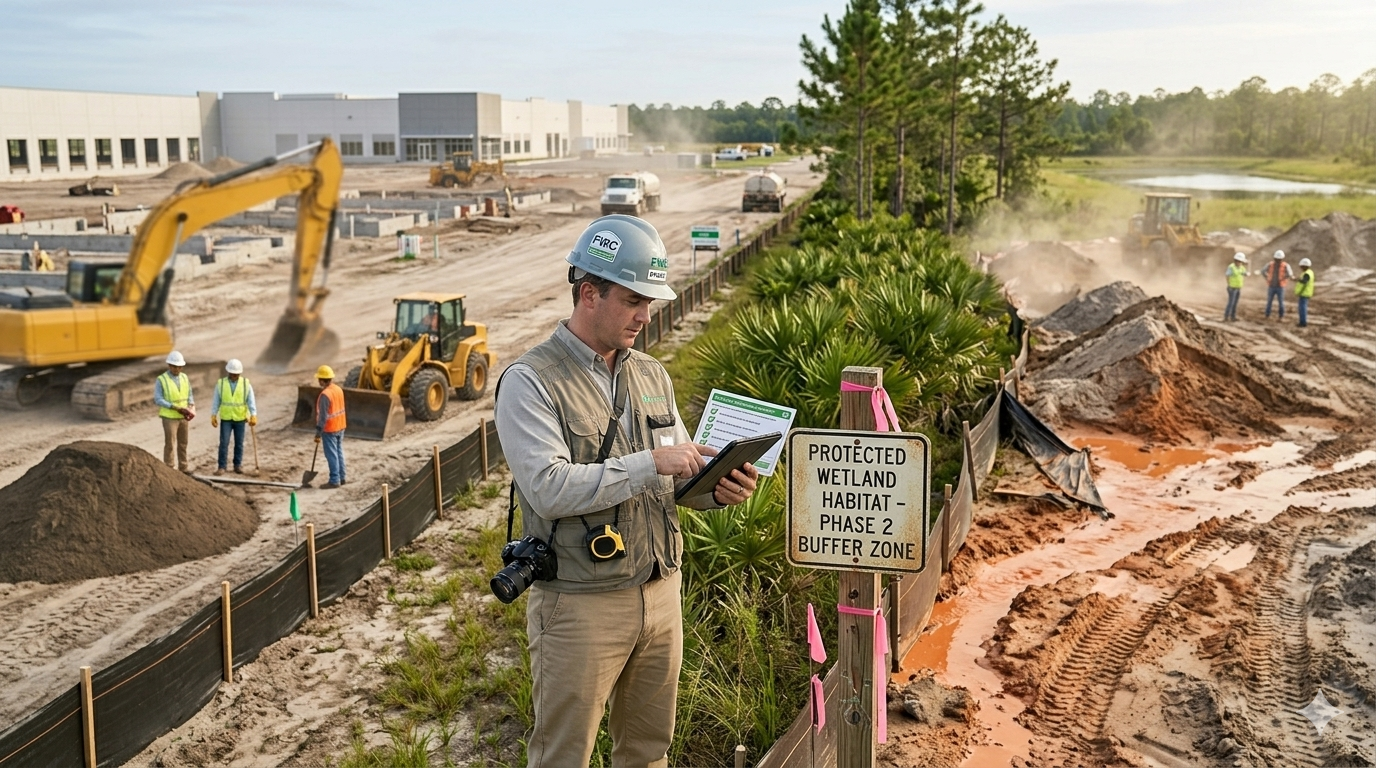
Construction projects today are no longer just about timelines, budgets, and design, they must also meet strict environmental standards. This is where construction environmental monitoring plays a critical role.
Whether you’re developing residential land, commercial property, or infrastructure, environmental monitoring ensures your project stays compliant, avoids delays, and protects natural ecosystems. Without it, even a well-planned project can face costly setbacks, legal issues, or environmental damage.
Projects that implement environmental monitoring experience 30–50% fewer regulatory delays than those that don’t.
What Is Construction Environmental Monitoring?
Construction environmental monitoring involves ongoing oversight of a project site to ensure that all environmental regulations, permits, and protection measures are followed throughout the construction process.
This includes:
- Construction site environmental inspection to identify risks
- Monitoring protected wildlife and habitats
- Ensuring environmental permit compliance Florida
- Managing risks related to wetlands, water quality, and vegetation
- Documenting activities for regulatory agencies
Environmental consultants, such as IVA Environmental Services, provide structured monitoring plans to ensure projects stay compliant and environmentally responsible.
Why Environmental Monitoring Is Essential
1. Ensures Legal Compliance
Construction projects must follow strict environmental regulations. Construction compliance monitoring Florida helps ensure all activities align with local, state, and federal requirements.
This includes:
- Adhering to permit conditions
- Following environmental protection guidelines
- Avoiding violations and penalties
Without proper compliance monitoring, projects risk fines, delays, or even shutdowns.
2. Protects Wildlife and Protected Species
Many construction sites are located near habitats that support protected wildlife. Protected species construction monitoring ensures these species are not harmed during development.
Monitoring may involve:
- Identifying nesting or breeding areas
- Establishing buffer zones
- Adjusting construction schedules
Florida is home to nearly 100 endangered or threatened species that could be impacted by construction projects.
This is especially important in environmentally sensitive regions where wildlife protection laws are strictly enforced.
3. Safeguards Wetlands and Water Systems
Wetlands play a vital role in maintaining ecological balance. Wetland construction monitoring ensures that construction activities do not disrupt these sensitive environments.
Monitoring helps:
- Prevent water contamination
- Control erosion and sediment runoff
- Maintain natural drainage systems
Failure to protect wetlands can lead to significant environmental damage and regulatory penalties.
4. Supports Sustainable Development
Modern construction is moving toward sustainability and responsible land use. Environmental monitoring ensures that development happens without causing unnecessary harm to ecosystems.
It helps:
- Minimize environmental impact
- Protect natural resources
- Promote long-term ecological balance
Companies like IVA Environmental Services focus on balancing development with conservation, ensuring responsible growth in environmentally sensitive regions.
5. Prevents Costly Delays and Risks
Environmental issues can quickly disrupt construction timelines. Without proper monitoring:
- Work may be halted due to non-compliance
- Permits can be delayed or revoked
- Additional mitigation may increase costs
By implementing environmental monitoring during construction, potential issues are identified early and addressed before they escalate.
6. Ensures Proper Documentation and Reporting
Environmental monitoring isn’t just about observation . It also involves detailed documentation.
This includes:
- Compliance reports
- Inspection records
- Monitoring logs for agencies
Proper documentation proves that your project is meeting regulatory requirements and can protect you in case of audits or disputes.
Key Areas Monitored During Construction
| Monitoring Area | Purpose | Risk if Not Monitored |
|---|---|---|
| Construction Site Environmental Inspection | Ensure environmental controls are properly implemented | Non-compliance fines, project delays |
| Protected Species Construction Monitoring | Protect endangered wildlife | Legal penalties, habitat disruption |
| Wetland Construction Monitoring | Prevent water contamination | Loss of ecosystem services, permit violations |
| Vegetation & Habitat Protection | Preserve sensitive habitats | Erosion, soil loss, biodiversity loss |
| Environmental Permit Compliance Florida | Verify adherence to permits | Fines, project shutdowns |
| Post-Construction Environmental Monitoring | Ensure mitigation measures remain effective | Long-term environmental damage, regulatory non-compliance |
The Role of Environmental Consultants
Environmental consultants act as a bridge between:
- Developers
- Contractors
- Regulatory agencies
They:
- Conduct pre-construction assessments
- Develop environmental management plans
- Monitor on-site activities
- Ensure compliance with regulations
For example, IVA Environmental Services provides customized monitoring plans, on-site inspections, and compliance reporting tailored to each project’s needs.
What Happens Without Environmental Monitoring?
Skipping environmental monitoring can lead to serious consequences:
- Legal penalties and fines
- Project shutdowns
- Environmental damage
- Increased costs for remediation
- Loss of investor or stakeholder confidence
In many cases, fixing environmental issues after construction is 2–3 times more expensive than implementing proper monitoring from the start.
Post-Construction Environmental Monitoring
Environmental responsibility doesn’t stop when construction is complete. Post-construction environmental monitoring ensures that mitigation measures remain effective, habitats recover, and regulatory requirements are maintained.
This may involve:
- Monitoring restored habitats
- Evaluating long-term environmental impact
- Ensuring continued environmental permit compliance Florida
When Do You Need Construction Environmental Monitoring?
You may need environmental monitoring if your project involves:
- Land development or site clearing
- Construction near wetlands or water bodies
- Protected wildlife habitats
- Large-scale infrastructure or commercial projects
- Permit conditions requiring monitoring
Early involvement of environmental experts ensures a smoother and more predictable construction process.
Final Thoughts
Construction environmental monitoring is not just a regulatory requirement, it’s a critical part of successful project execution. It protects your investment, ensures compliance, and helps preserve the natural environment.
By working with experienced professionals like IVA Environmental Services, developers and contractors can move forward with confidence, knowing their project is both compliant and environmentally responsible.
In today’s construction landscape, responsible development isn’t optional , it’s essential.
